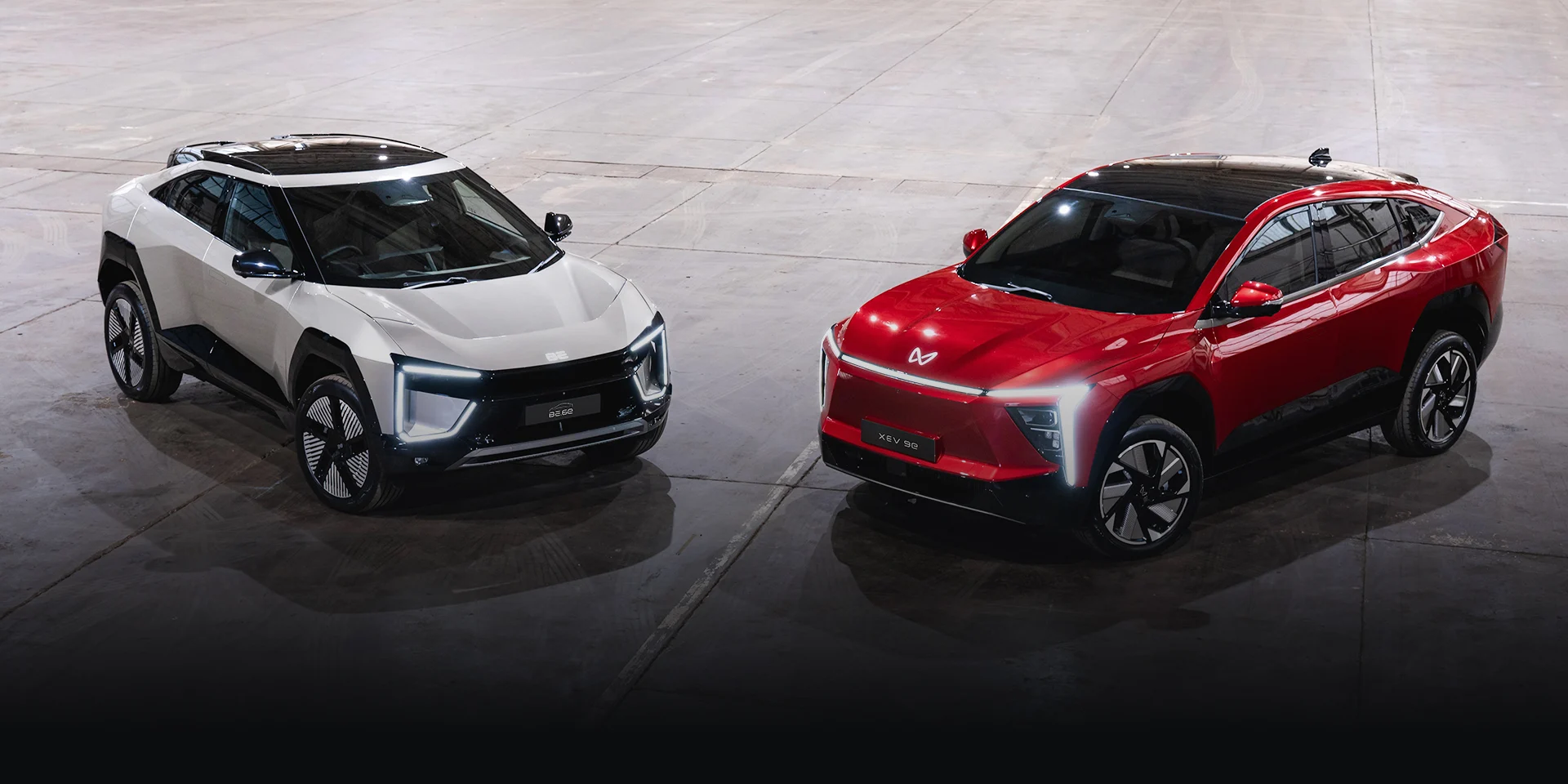

Tesla has finally entered the Indian market without big ads, celebrity events, or loud promotions.
In typical Tesla style, it quietly opened its first showroom in Mumbai on 15 July 2025.
Bookings are now open for the Tesla Model Y, and the Model 3 is also expected soon.
According to media reports, Tesla plans to open its second showroom in Delhi.
Now, Tesla may be new in India, but it’s a very experienced name in the electric vehicle world.
The Model Y is already the best-selling electric SUV globally, and Indian buyers are excited to see how it compares to trusted Indian brands.
On the other hand, Mahindra has just launched its XUV 9e, and Tata recently introduced the premium Harrier EV. Both come with long range and many features, at much lower prices than Tesla.
So, the big question is—which EV should Indian buyers go for: Tesla, Tata, or Mahindra?
As Indians, we always look for the best value, more features, and longer range at a lower price is which truly makes an EV worth it.
In this article, I’ll compare all three electric SUVs to help you decide which one offers the best value for Indian roads and your pocket.
Tesla Model Y: Global Tech Meets Indian Taxes
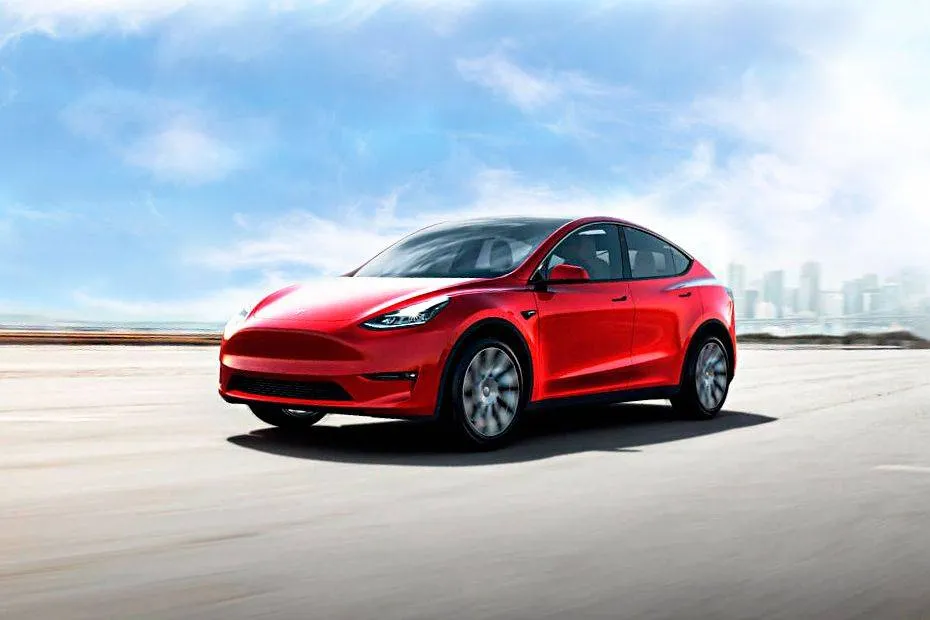
Tesla officially entered India in July 2025 with the Model Y, imported from its Shanghai facility. Two variants are now listed for India:
-
Model Y RWD: ~₹60 lakh (ex-showroom)
-
Model Y Long Range AWD: ~₹68–70 lakh (ex-showroom)
Tesla claims a range of up to 622 km (WLTP), although Indian road conditions are likely to deliver ~500–530 km in real-world conditions.
A minimalist design, a 15-inch touchscreen, OTA updates, and acoustic glass define the cabin.
Charging: Tesla is setting up its Supercharger network in India, expected to start from Mumbai and Bengaluru by late 2025.
Until then, charging will rely on third-party CCS2 stations.
My Take
From my years covering EV launches, I know Tesla brings unmatched software integration and user experience. But at ₹60 lakh, the Model Y competes with luxury brands like BMW and Audi, not mainstream EVs.
Also, the after-sales infrastructure in India is still limited. Unless you value Tesla’s ecosystem deeply, it’s a niche buy.
Source: Reuters, Times of India
Mahindra XEV 9e: Loaded with Features, Priced to Win
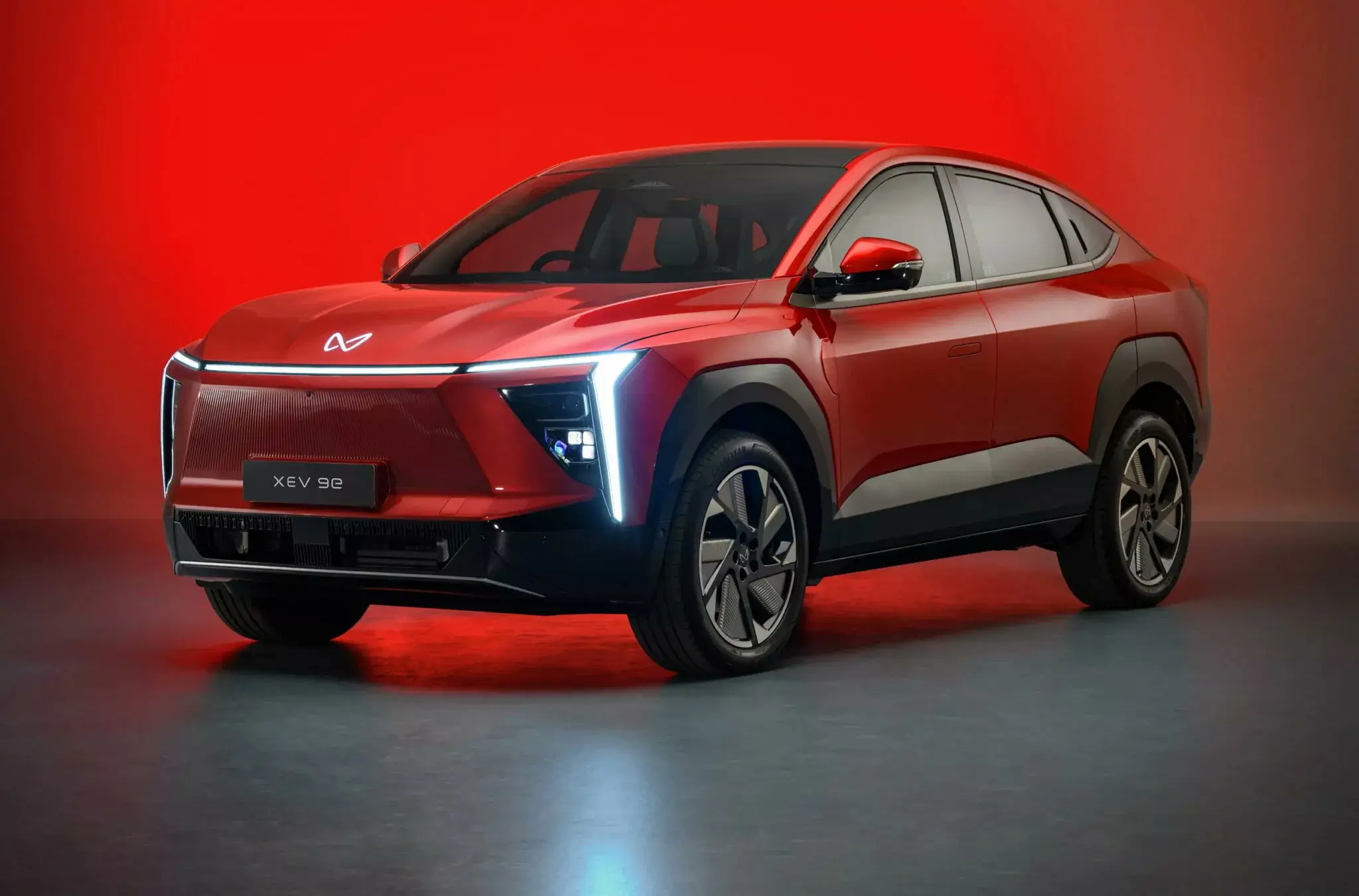
Launched as Mahindra’s premium EV on the new INGLO platform, the XEV 9e comes in multiple variants:
-
Entry Price: ₹21.99 lakh
-
Top AWD Variant: ₹30.49 lakh
-
Battery Options:
-
59 kWh – 542 km MIDC
-
79 kWh – 656 km MIDC
-
-
Charging: 20–80% in under 30 minutes via 140–175 kW DC fast chargers
Inside, you’ll find three connected 12.3” screens, a Snapdragon 8295 processor, 16-speaker Harman Kardon audio, Level-2 ADAS, 360° camera, HUD, and 5-star Bharat NCAP safety.
My Take
In terms of specs and features, the XUV 9e delivers best-in-class tech at a very competitive price.
But early reports from buyers and test drives suggest some teething issues, lane assist glitches, inconsistent cabin materials, and gear-shift delays.
Mahindra will likely fix these over time, but for now, early buyers may face minor software bugs.
Source: Autocar India, [Team-BHP forum], [Bharat NCAP]
Tata Harrier.ev: Proven Platform, Premium Feel
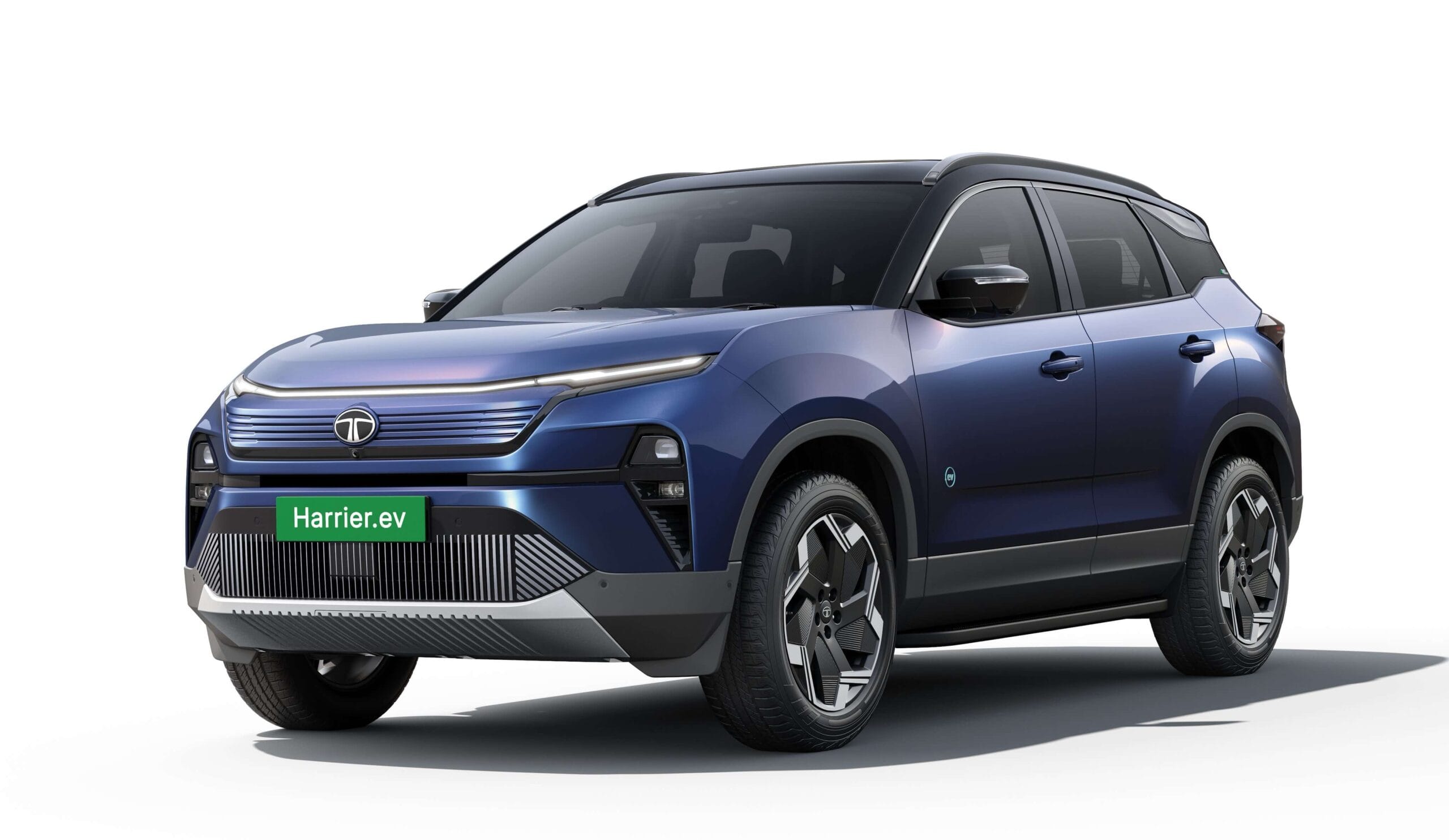
Tata’s most premium electric SUV so far, the Tata Harrier EV, is based on the Omega architecture and ALFA platform hybrid. Prices start at:
-
₹21.49 lakh (RWD)
-
~₹27+ lakh for AWD
-
Battery: 75 kWh
-
Range: 627 km (ARAI); real-world ~480–505 km
-
Performance: AWD version – 0–100 km/h in 6.3 seconds
Key features include:
-
14.53” Neo QLED touchscreen
-
JBL Dolby Atmos 10-speaker system
-
540° surround view
-
Ultra-glide suspension, terrain modes, and Level‑2 ADAS
-
Lifetime battery warranty
My Take
Tata is playing to its strength: reliable after-sales service, comfort-focused interiors, and good localisation.
The Harrier.ev strikes the perfect balance for buyers who want performance and comfort at a price under ₹30 lakh. It’s the safest choice among the three, especially if long-term serviceability matters.
Source: Navbharat Times, [Tata Motors media kit]
Quick Comparison Table
| Feature / SUV | Tesla Model Y | Mahindra XUV 9e | Tata Harrier.ev |
|---|---|---|---|
| Price (ex-showroom) | ₹60–70 lakh | ₹21.9–30.5 lakh | ₹21.5–27+ lakh |
| Battery Capacity | ~75 kWh | 59 / 79 kWh | 75 kWh |
| Range (claimed) | 622 km (WLTP) | 542–656 km (MIDC) | 627 km (ARAI) |
| Real-world Range | ~500–530 km | 450–540 km | 480–505 km |
| 0–100 km/h | ~6.9 seconds (AWD) | 6.8 seconds (79 kWh) | 6.3 seconds (AWD) |
| Infotainment | 15” touchscreen | 3 x 12.3” displays | 14.53” Neo QLED |
| ADAS | Basic | Level-2 | Level-2 |
| Safety Rating | Not yet rated (India) | 5-star (Bharat NCAP) | 5-star (Bharat NCAP) |
| Fast Charging | ~250 kW (Supercharger) | 140 / 175 kW | 120 kW DC |
| Service Network | Limited (new entrant) | Moderate | Strong (nationwide) |
Final Takeaway
Each SUV brings something different:
-
Tesla Model Y: Tech-forward, aspirational, but priced for luxury buyers. Not yet ideal for the average Indian EV user.
-
Mahindra XUV 9e: Best in class on paper. But you may want to wait a few months for software and QC improvements.
-
Tata Harrier.ev: The most balanced option, Strong features, great support, and pricing that makes long-term sense.
Auto Experts from Cartoq feel that the Tata Harrier ev stands out in the trio. With its powerful AWD motor, spacious battery (75 kWh), and rich feature set, it’s the clear pick, while the Tesla Model Y commands a premium and the Mahindra XEV 9e, though range leader, falls slightly short overall.