Rural India is home to nearly 400 million women who understand their local markets better than anyone else.
Yet, for decades, their potential has been limited by mobility. Without safe, affordable, and reliable means of transport, many women could only sell their goods within their own villages, accepting whatever price the local market offered.
Electric cargo bikes are changing this reality.
By enabling women to travel farther, carry more, and reach new markets, these bikes are not just a mobility solution- they are unlocking economic power for women in villages across India.
Women Who Know Business
India’s villages are home to many women who are natural entrepreneurs.
They manage shops, process farm produce, run dairies, and provide essential services.
They have the skills, networks, and community trust to thrive. What they often lack is the ability to connect their goods and services to larger markets.
Over 8 million Self-Help Groups (SHGs) across the country already demonstrate how effectively women can organise and manage their finances. With the right tools, these groups can transform rural enterprise.
Simple Technology, Big Impact
Electric cargo bikes meet the needs of rural women perfectly.
They are significantly cheaper to own and operate compared to petrol two-wheelers or cars, with a 70% lower total cost of ownership.
Models like Motovolt’s HUM can carry up to 120 kg and travel over 100 km on a single charge, while requiring no license or registration. They can be charged through a simple plug point, making them practical for rural settings.
The impact is immediate.
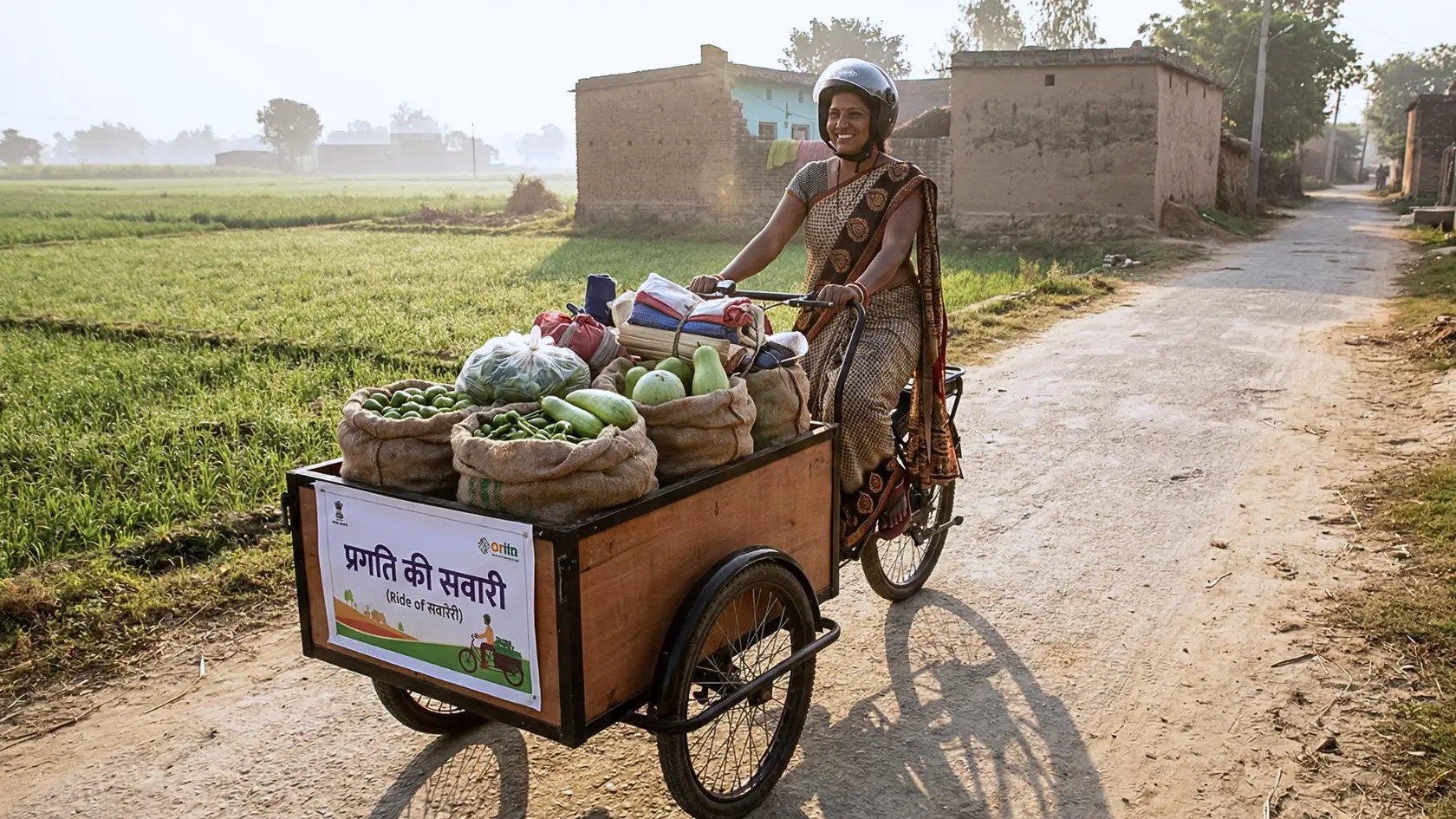
A vegetable seller in Uttar Pradesh who once sold only in her village now covers three or four villages daily, expanding her customer base from 20–30 people to 80–100.
Women using e-cargo bikes report income growth of 30% to 60%.
For example, a pickle maker in Maharashtra can increase her earnings from ₹8,000 to ₹12,000 per month, enough to cover school fees or healthcare for her family.
Breaking Old Barriers
For years, cultural restrictions, safety concerns, and the physical strain of carrying heavy loads prevented women from travelling far for work.
Electric cargo bikes reduce these barriers.
They allow women to travel longer distances with ease, save time, reduce fatigue, and carry more goods.
Most importantly, women now have the freedom to choose markets based on demand and pricing, giving them real bargaining power for the first time.
When Women Earn, Families Prosper
Research consistently shows that when rural women earn more, their families benefit first. Extra income goes toward children’s education, healthcare, better nutrition, and household improvements.
A modest increase of even ₹2,000 per month can mean smartphones for online classes, a water purifier, or a shift to cleaner cooking fuel.
Earning women also gain greater influence within the household.
They become equal decision-makers in matters that traditionally rested with men, from children’s education to property purchases.
The strength of this solution is that it builds on what women already know.
A woman making pickles, handicrafts, or tailoring does not need to learn a new trade.
She simply needs to access more customers who value her products. Electric cargo bikes make this possible.
Financing Women’s Mobility
Until recently, access to finance was a major barrier. Banks often demanded male guarantors, steady salaries, or collateral that most rural women could not provide.
New linkages between SHGs and formal banks are changing this.
Group lending, supported by repayment histories and collective savings, is making ownership of electric cargo bikes possible for more women, with repayment terms aligned to agricultural and seasonal incomes.
Driving India’s Future
India’s ambition of becoming a developed economy by 2047 depends significantly on rural women’s economic empowerment.
Women’s choices around education, healthcare, and household spending create a ripple effect that strengthens communities and fuels national growth.
By equipping them with tools like electric cargo bikes, we are not just improving livelihoods, we are laying the foundation for inclusive and sustainable development.
Real Change, Village by Village
What makes this change transformative is not just higher incomes but shifting mindsets. When women step into the role of primary earners, it challenges entrenched social norms.
Children see their mothers as business leaders, communities witness women taking charge, and neighbouring villages follow suit.
This is how meaningful development happens, one woman at a time, one community at a time, until the change becomes unstoppable.
Electric cargo bikes are more than a mode of transport. They are vehicles of empowerment, dignity, and opportunity, carrying India’s women and the nation itself toward a stronger future.
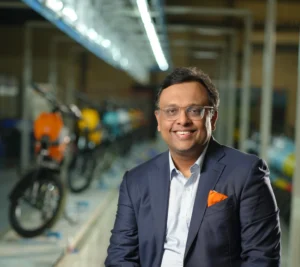
Tushar Choudhary, Founder & CEO, Motovolt Mobility, authored the article.