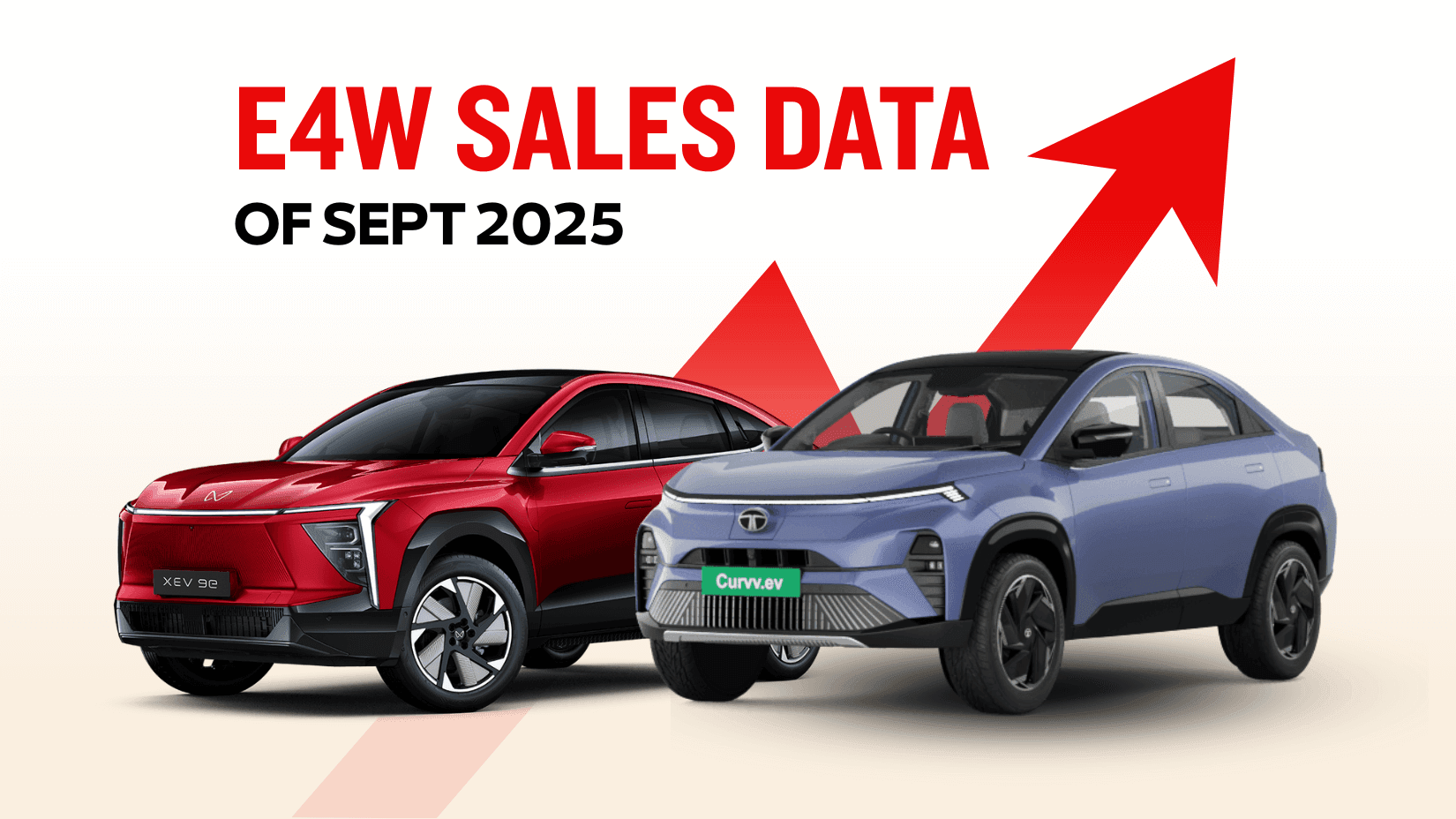
India’s electric four-wheeler (E4W) market slowed in September 2025, following a record-breaking August, with 15,038 units sold, representing an 18% month-on-month (MoM) decline.
The dip reflects a natural market correction after a surge in August, but competitive dynamics sharpened, with some brands managing growth despite the slowdown.
The narrative this month is about winners and losers in short-term momentum: while Tata, MG, and Mahindra declined, BYD, Kia, Mercedes, and Citroën bucked the trend with positive MoM growth.
Tesla also entered the Indian EV market officially, adding a fresh twist to the premium EV space.
Top 10 Electric Car Companies in September 2025 – Best Selling EVs
| Brand | Sep ‘25 | Aug ‘25 | MoM Growth |
|---|---|---|---|
| Tata Motors | 6,094 | 7,444 | -18% |
| MG Motor India | 3,843 | 5,079 | -24% |
| Mahindra & Mahindra | 3,187 | 3,699 | -14% |
| BYD India | 541 | 478 | +13% |
| Kia India | 499 | 463 | +8% |
| Hyundai Motor India | 342 | 618 | -45% |
| BMW India | 307 | 393 | -22% |
| Mercedes-Benz | 95 | 80 | +19% |
| PCA Auto India | 36 | 23 | +57% |
| Tesla India Motors | 60 | NEW | — |
Total Retail Sales: 15,038 units
Source: Vahan Dashboard, October 1, 2025
#1 Tata Motors – Tata Nexon EV, Tiago EV & Harrier EV
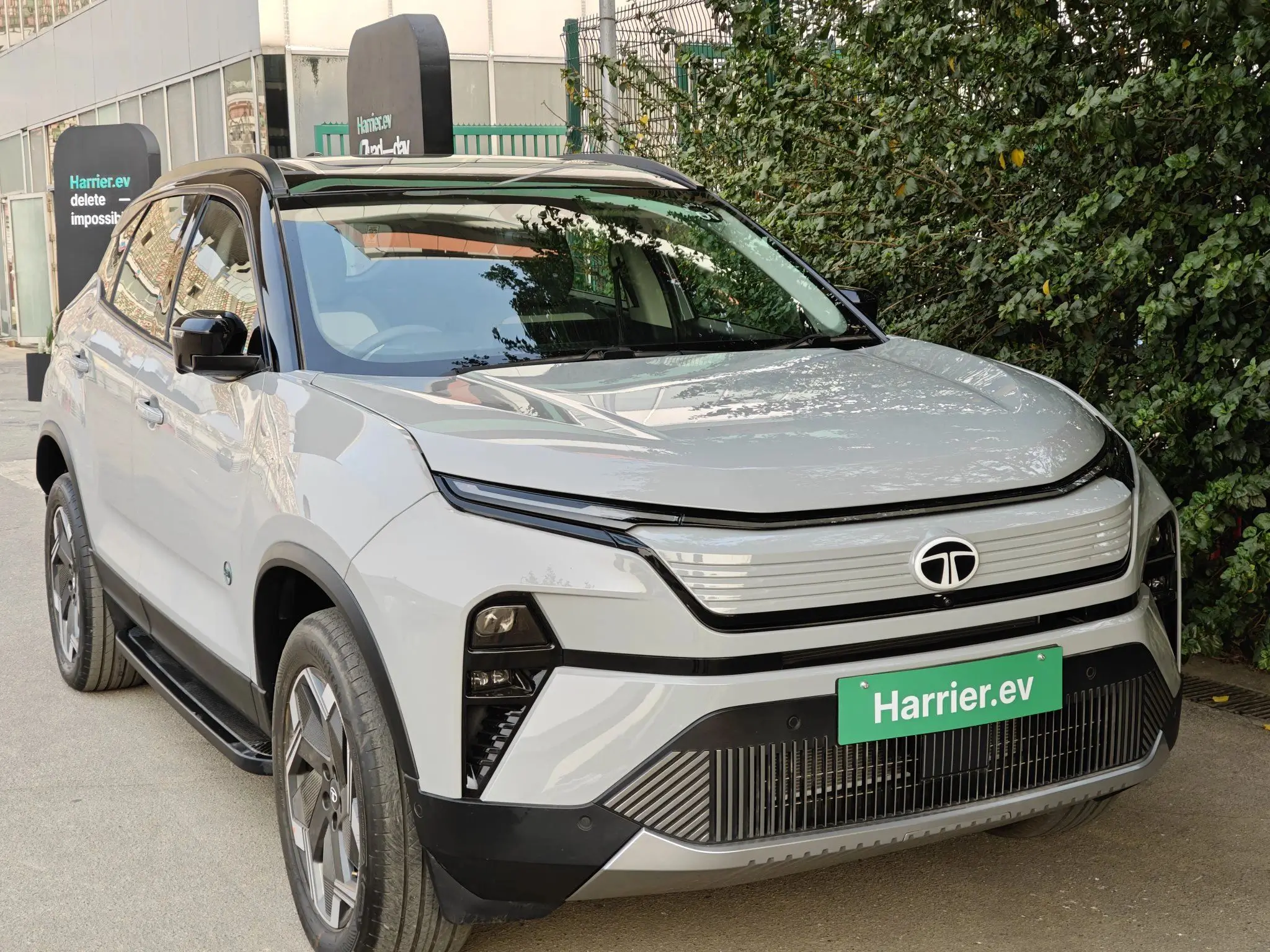
Tata Motors led with 6,094 units, but sales fell 18% MoM compared to August’s 7,444. The slowdown came despite strong demand for the Nexon EV and Tiago EV, as supply constraints of the Harrier EV may have impacted deliveries.
Tata is preparing mid-cycle updates with larger battery packs and faster charging tech, which could revive momentum in Q4.
The company still dominates the affordable EV space but faces sharper competition every month.
#2 MG Motor India – MG ZS EV, Comet EV, Windsor & M9 MPV
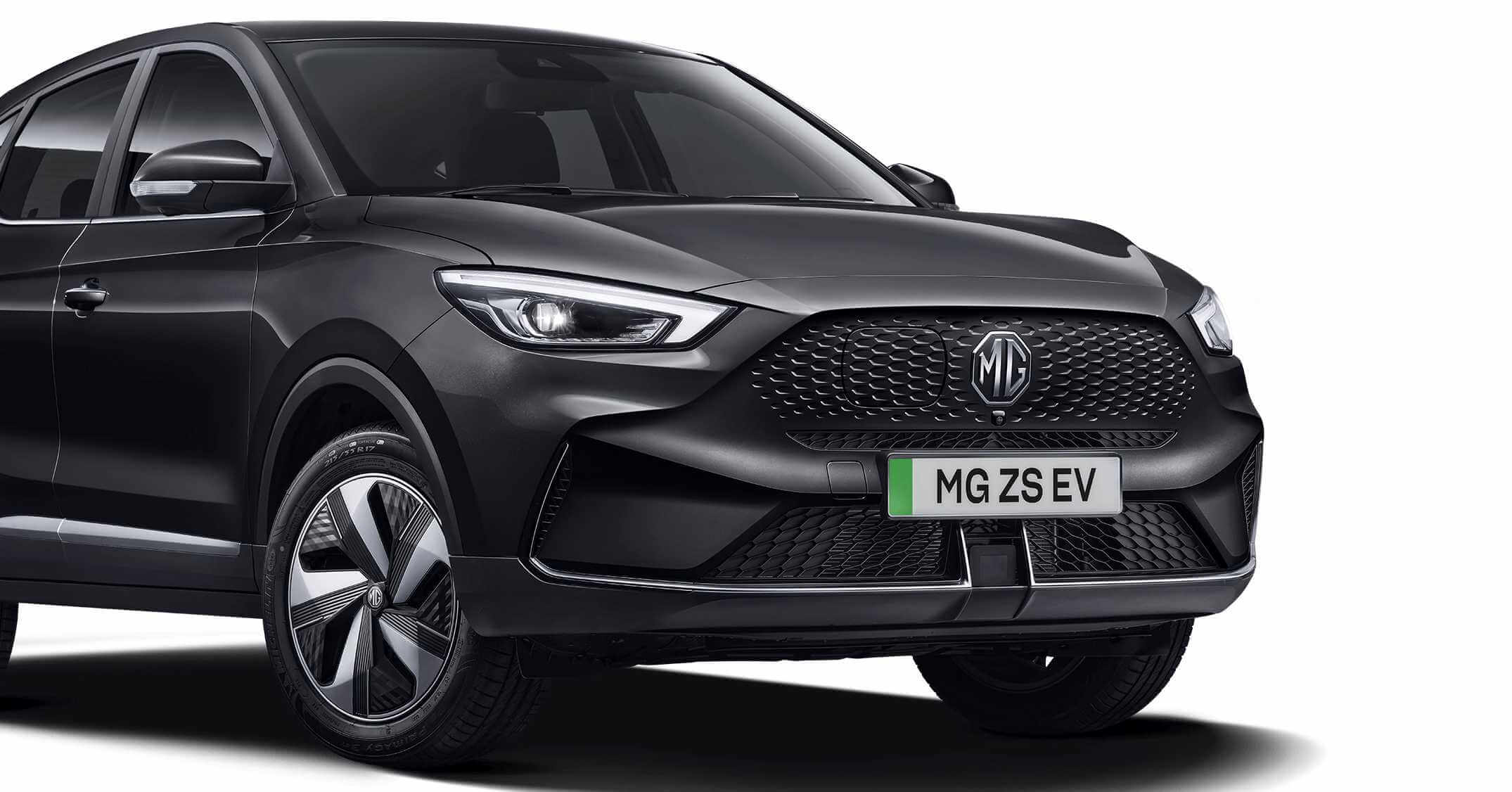
MG Motor sold 3,843 units, a steep 24% MoM decline from August.
The Windsor sedan and Comet EV have been strong urban performers, but a temporary slowdown in fleet and retail deliveries weighed on September volumes.
MG continues to expand its charging partnerships and recently updated the ZS EV with improved range, but the brand will need a sales push in October to keep pressure on Tata.
#3 Mahindra & Mahindra – XUV400, BE 6 & XEV 9e
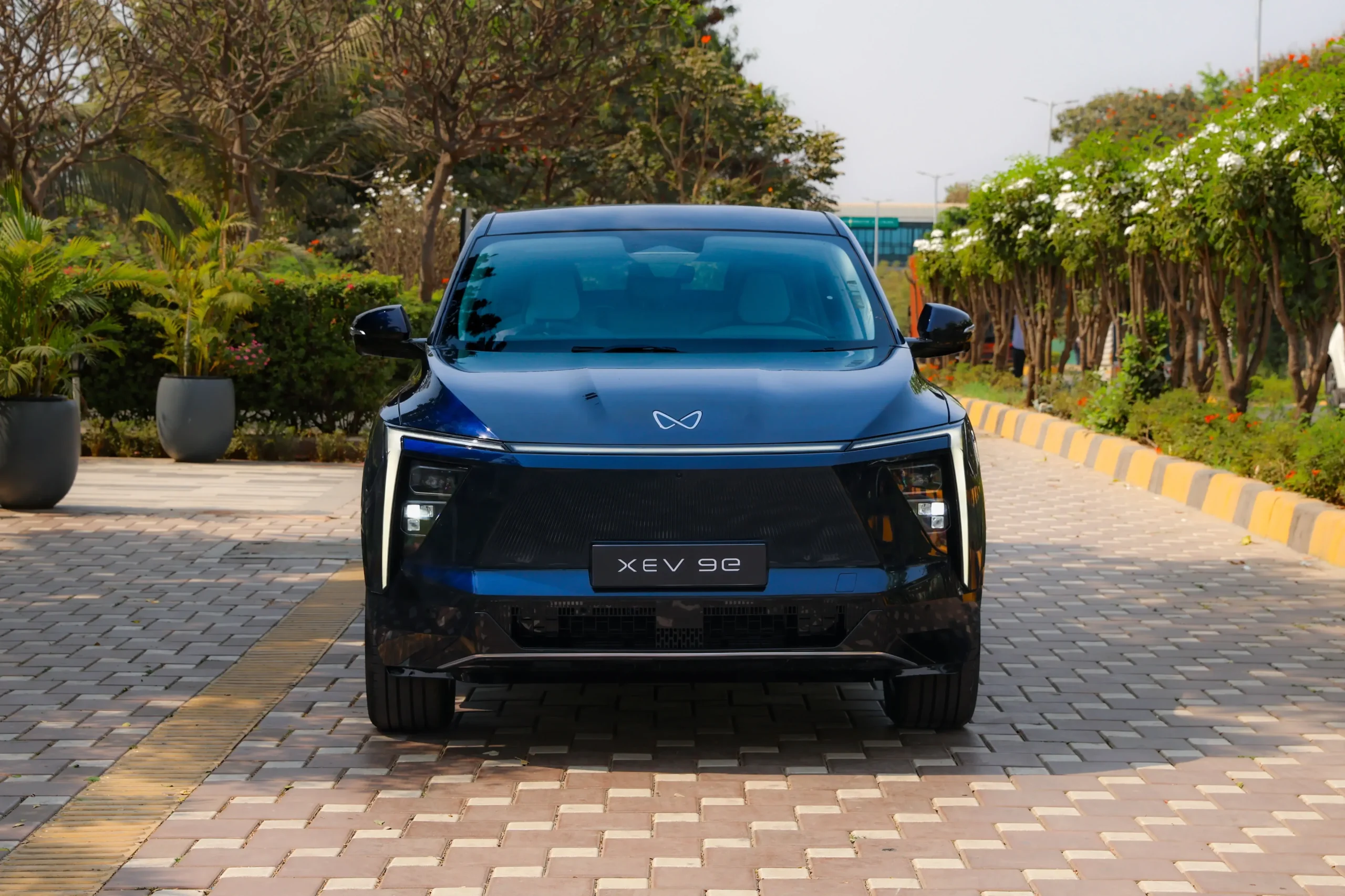 Mahindra recorded 3,187 units, down 14% MoM. Despite the dip, Mahindra has consistently improved its position in 2025 thanks to the new XEV 9e SUV, which debuted in August and quickly attracted premium buyers.
The BE 6 coupe SUV continues to gain traction, and Mahindra is lining up festive-season promotions to recover momentum. Its EV strategy remains aggressive, with multiple BE-series launches scheduled for 2026.
#4 BYD India – Atto 3, e6 & Seal EV
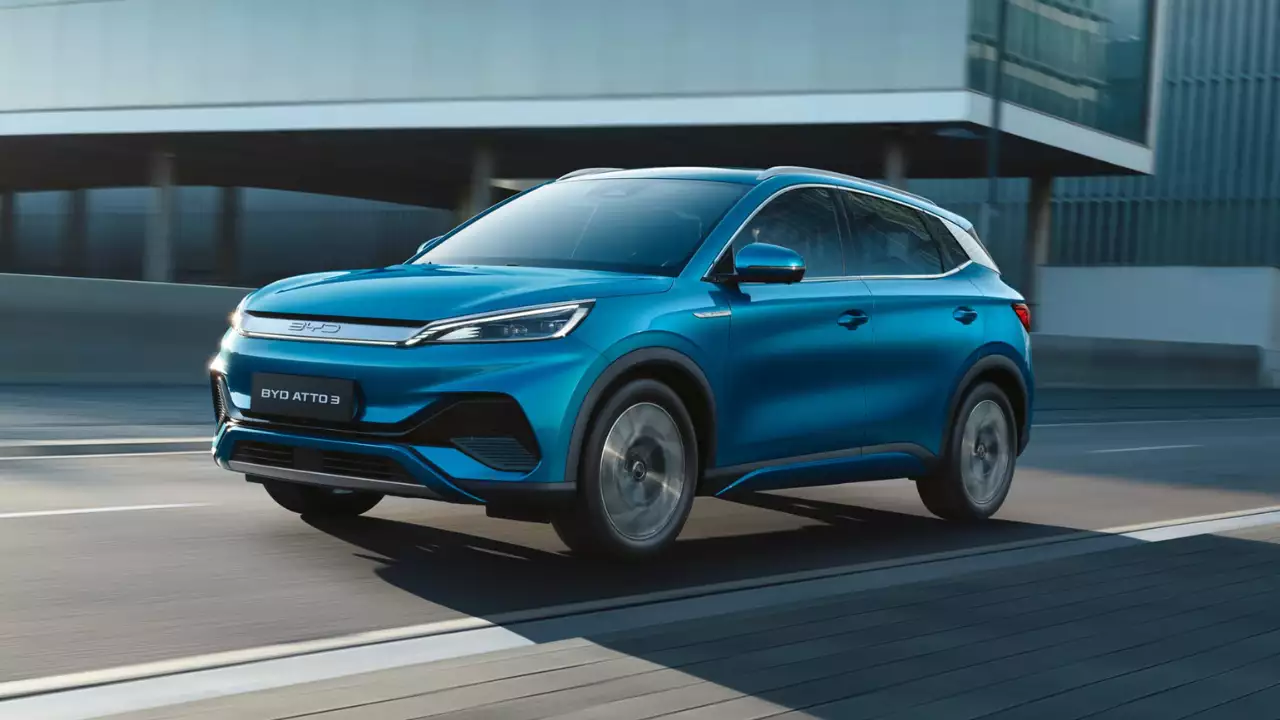 BYD posted 541 units, growing 13% MoM, making it one of the few brands to buck the slowdown.
The Seal sedan has been well received in Tier-1 cities, while the Atto 3 crossover continues to appeal to younger urban buyers.
BYD’s corporate fleet focus through the e6 also kept volumes steady.
With a growing retail presence, BYD is steadily carving out a premium niche.
#5 Kia India – EV6 & EV9 SUVs
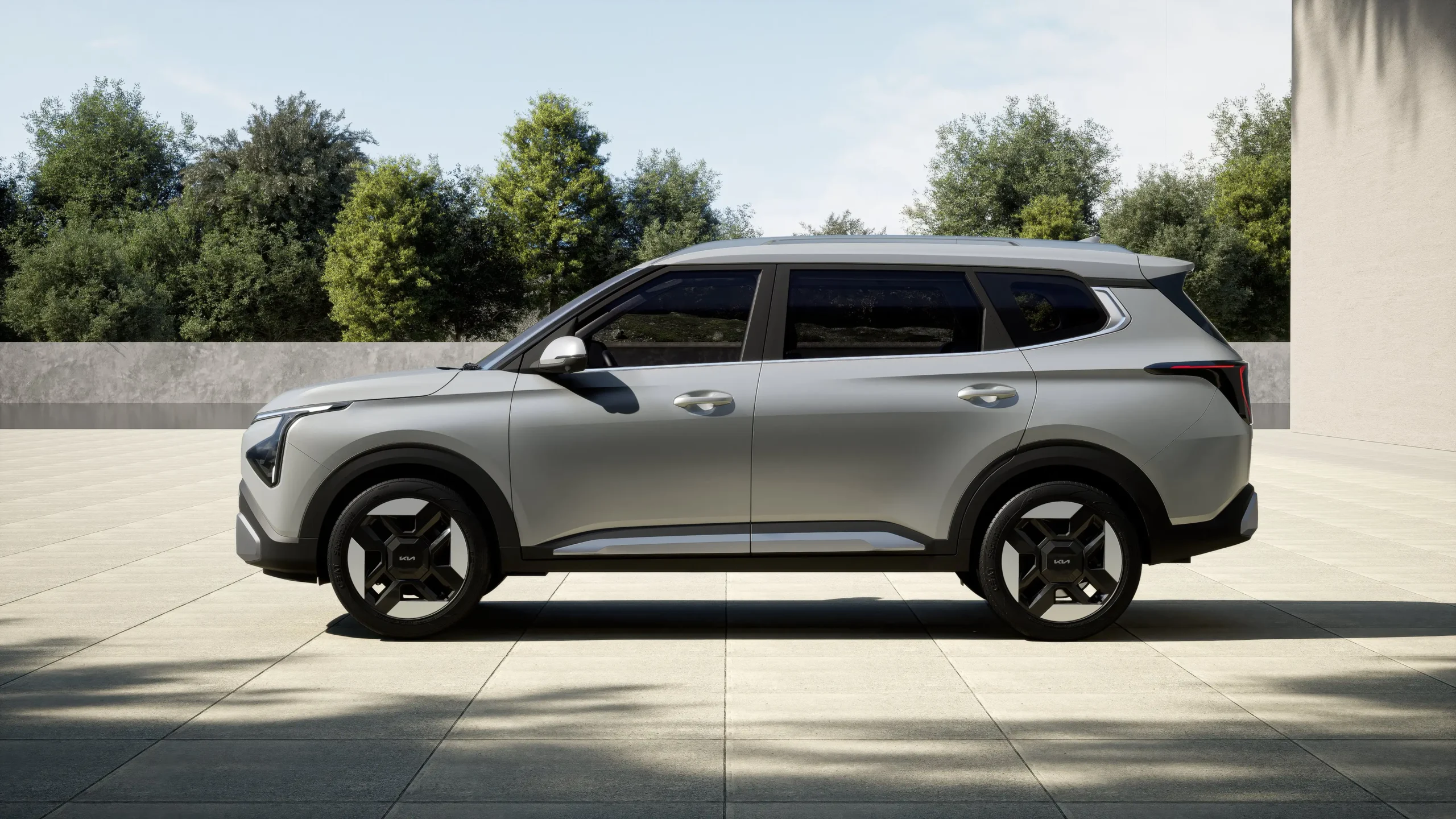 Kia sold 499 units, an 8% MoM increase, continuing its momentum from August.
The newly launched EV9 SUV is attracting affluent family buyers, while the EV6 remains a popular choice among enthusiasts.
Kia is working on expanding its charging tie-ups and is rumored to start local assembly of EVs in 2026, which could bring down prices and boost volumes further.
#6 Hyundai Motor India – Creta EV & Ioniq 5
Hyundai registered 342 units, a sharp 45% MoM decline from August.
The Creta EV, which had strong initial demand, saw deliveries normalize this month, while the Ioniq 5 continued to see limited but consistent uptake.
Hyundai plans to launch the Kona EV facelift later this year, which may help the brand regain momentum.
#7 BMW India – BMW iX, i4 & i7
BMW sold 307 units, down 22% MoM. After a strong August, September volumes cooled slightly as deliveries of the iX and i4 tapered.
The ultra-premium i7 sedan continues to see niche demand.
BMW is expanding its fast-charging network across highways, which could support stronger growth in Q4.
#8 Mercedes-Benz – EQB, EQE & EQS Series
Mercedes-Benz registered 95 units, a 19% MoM increase, marking a rare positive trend among luxury players.
Its EQ lineup — particularly the EQE sedan — saw better availability in September, supporting growth.
Mercedes also rolled out updates to its ‘Mercedes me’ connected EV ecosystem, which is expected to improve the ownership experience. Read more – All-New Mercedes GLC Electric (2026) – Price, Range, & First Impressions
#9 PCA Auto India (Citroën) – ëC3 EV
Citroën managed 36 units, a 57% MoM increase from 23 in August.
Although volumes remain small, the ëC3 hatchback is seeing modest traction in semi-urban markets where affordability matters.
Citroën is planning a facelift and localized battery sourcing to boost its EV competitiveness in 2026.
#10 Tesla India Motors – Model 3 & Model Y
Tesla officially entered the Indian retail market in September with 60 units delivered. Since it’s a new entrant, MoM growth is not comparable.
Tesla’s Model 3 sedan and Model Y crossover are being imported initially, but the brand is preparing to localize assembly in 2026.
With its Supercharger network set to expand soon, Tesla’s long-term strategy could disrupt the premium EV space significantly.
Luxury EV Segment in India
The luxury segment saw mixed momentum. BMW fell 22% MoM, Mercedes-Benz grew 19%, and Volvo volumes remained marginal.
Tesla’s debut with 60 units immediately placed it among the top-selling premium EV brands.
Luxury EVs accounted for just under 3.5% of total EV sales in September.
Final Thoughts
September 2025 marked a cooling phase for India’s EV market, with volumes dropping nearly 18% from August’s peak.
-
Tata, MG, and Mahindra all saw MoM declines, showing even leaders are not immune to short-term slowdowns.
-
BYD, Kia, Mercedes, and Citroën managed to grow, highlighting how selective strategies can beat market headwinds.
-
Tesla’s entry has added a new dimension, and its impact will grow as volumes scale.
As festive-season deliveries kick in from October onwards, the market is expected to rebound, setting the stage for an even more competitive Q4.