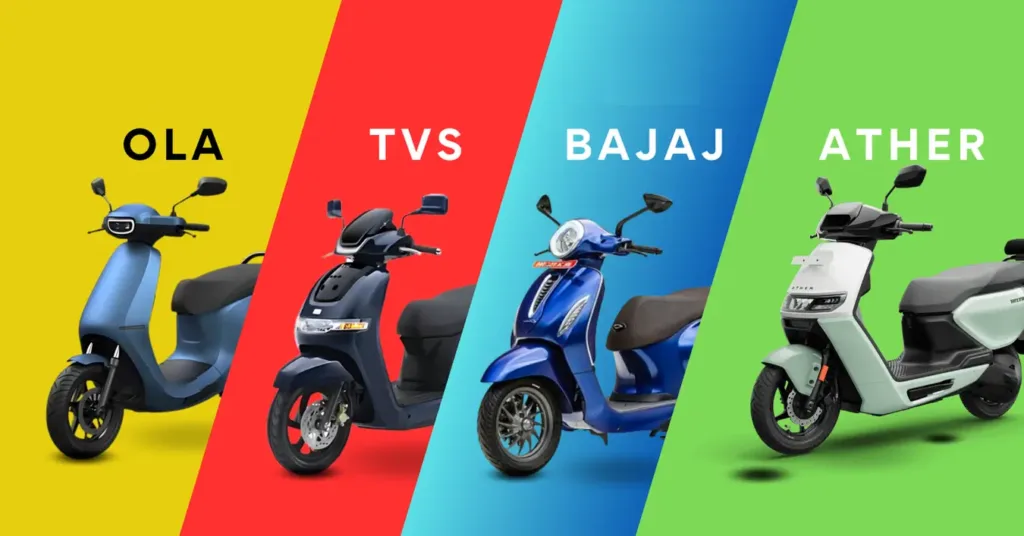
 India’s electric two-wheeler market accelerated sharply in October 2025, recording 1,52,000+ high-speed EV registrations, driven by festive season demand, improved supply, and stronger retail sentiment.
Bajaj Auto, TVS Motor, and Ather Energy emerged as top performers this month, with Bajaj reclaiming the #1 position for the first time this year. Ola Electric rebounded strongly, while Hero MotoCorp and Ampere also recorded healthy double-digit growth.
According to the Vahan Dashboard (as of November 2, 2025), October’s sales mark a notable 46% month-on-month increase over September’s ~1.04 lakh units, signalling a strong revival in buyer confidence ahead of Diwali.
Despite intense competition, the top three OEMs—Bajaj, TVS, and Ather—accounted for nearly 60% of total E2W sales, reinforcing their leadership in India’s fast-evolving EV space.
Sales Overview
| Manufacturer | Sep 2025 Sales | Oct 2025 Sales | MoM Growth (%) |
|---|---|---|---|
| Bajaj Auto/Chetak | 19,489 | 31,207 | +58.5% |
| TVS Motor Co | 22,665 | 30,240 | +30.1% |
| Ather Energy | 18,297 | 28,082 | +53.5% |
| Ola Electric | 16,034 | 41,843 | +19.5% |
| Hero MotoCorp | 12,819 | 15,947 | +24.4% |
| Ampere/Greaves Electric Mobility | 4,280 | 7,635 | +78.4% |
| BGAUSS Auto | 2,732 | 2,973 | +29.0% |
| Pure Energy | 1,763 | 1,706 | -3.2% |
| River Mobility | 1,705 | 1,601 | -6.1% |
| Revolt Intellicorp | 704 | 955 | +92.1% |
Source: Vahan Dashboard (data from 1,400+ RTOs across 35 states/UTs; Telangana excluded)
#1 Bajaj Auto/Chetak
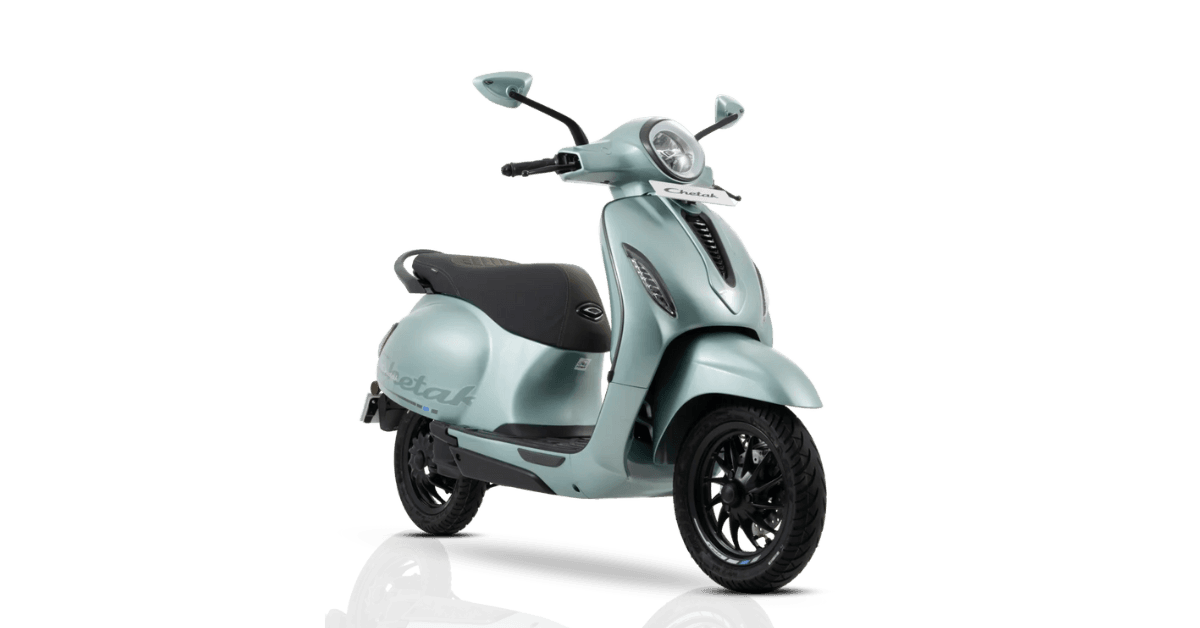
Bajaj Auto stormed to the top in October with 31,207 units, marking a massive +58.5% MoM growth and overtaking TVS for the first time in 2025.
Strong festive demand, enhanced dealership deliveries, and steady availability of the Chetak 2901 and 3500 series fueled Bajaj’s breakout performance. The company’s aggressive network expansion and localised component supply strategy helped it capitalise on October’s momentum.
With sustained production and growing urban demand, Bajaj has positioned itself as a formidable volume leader in the EV two-wheeler race.
#2 TVS Motor
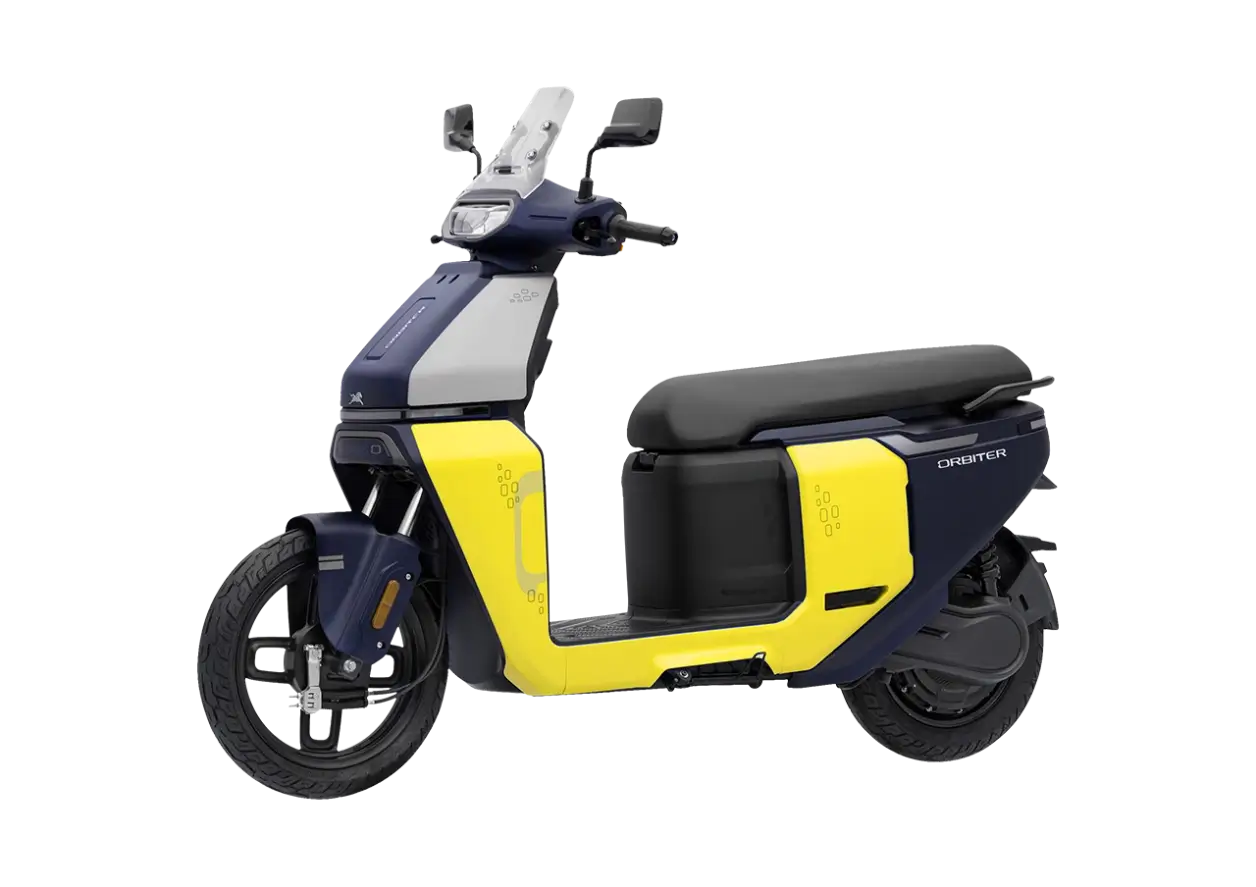
TVS Motor maintained steady growth with 30,240 units, a +30.1% MoM jump from September.
The iQube line continues to be India’s most consistent EV scooter, appealing to both retail buyers and corporate fleets. The introduction of its ST variant with extended range and enhanced performance is helping TVS hold its edge in the mid-premium category.
While TVS ceded the top spot to Bajaj this month, it remains a close second — indicating how the market leadership could oscillate in the coming quarters.
#3 Ather Energy
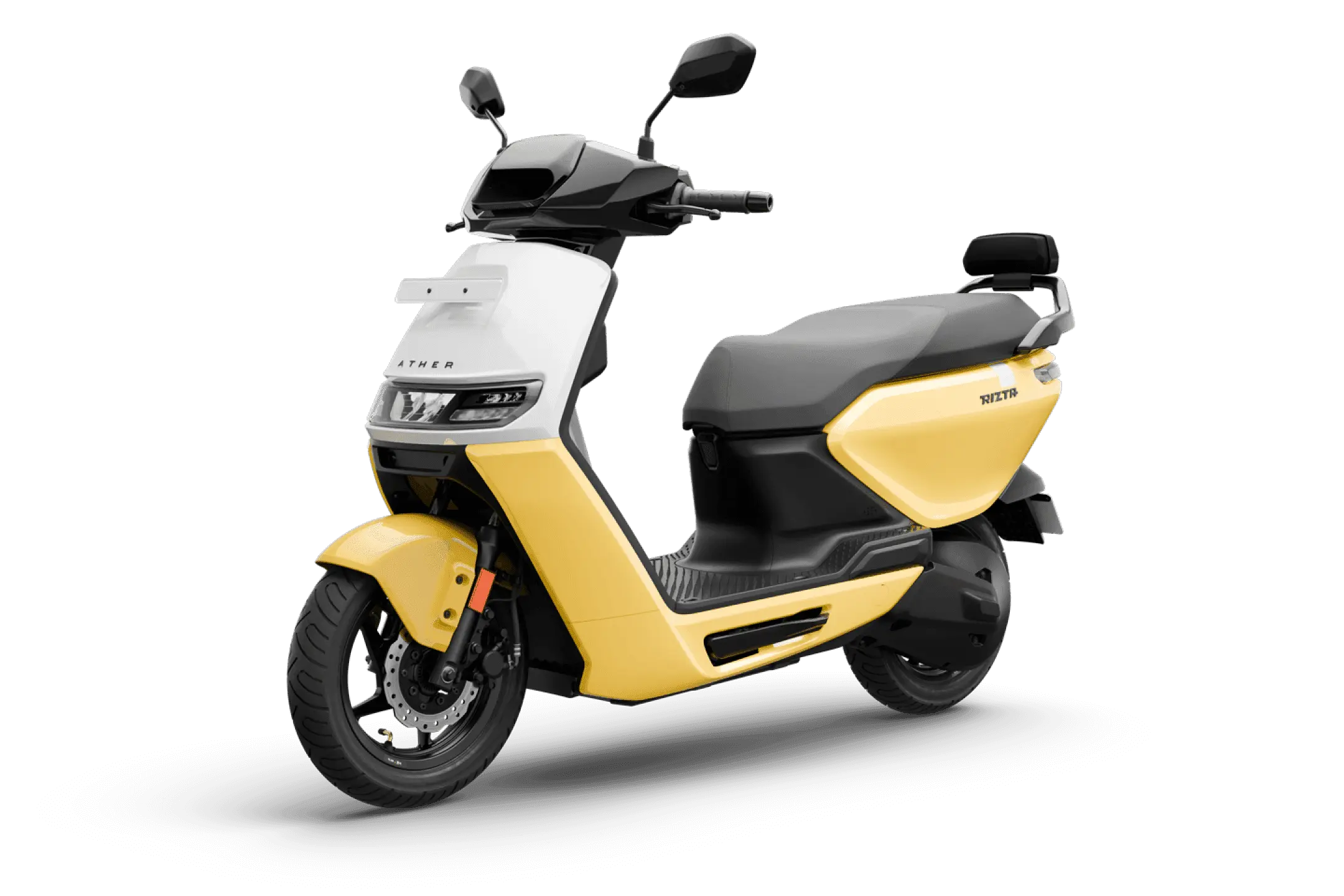
Ather Energy recorded 28,082 units, growing an impressive +53.5% MoM, reinforcing its strength as India’s leading homegrown EV brand.
Its 450X and Rizta models continue to see strong uptake, supported by financing flexibility and expanded after-sales touchpoints.
Ather’s aggressive retail rollout into Tier-2 cities and an upcoming affordable variant are expected to keep its sales trajectory strong heading into 2026.
#4 Ola Electric
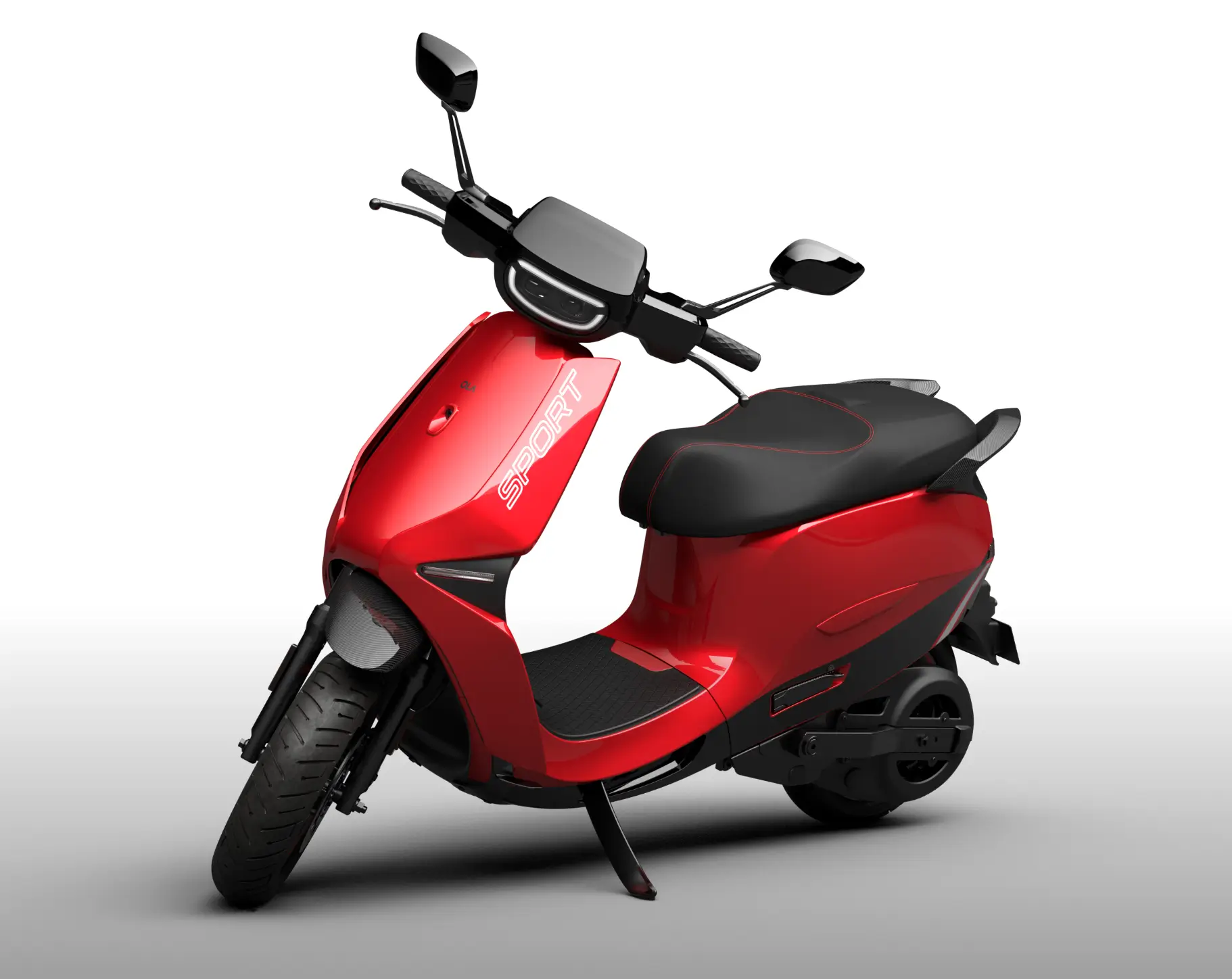
Ola Electric staged a notable comeback, selling 41,843 units, a +19.5% MoM increase from September.
While its growth rate trails the market average, Ola remains India’s largest EV scooter brand by cumulative volumes.
The S1 Pro Gen 2 and S1 X+ variants, coupled with festive offers and financing schemes, helped Ola recover from prior month slowdowns. However, analysts note that service quality and dealer accessibility will remain critical to sustaining growth.
#5 Hero MotoCorp
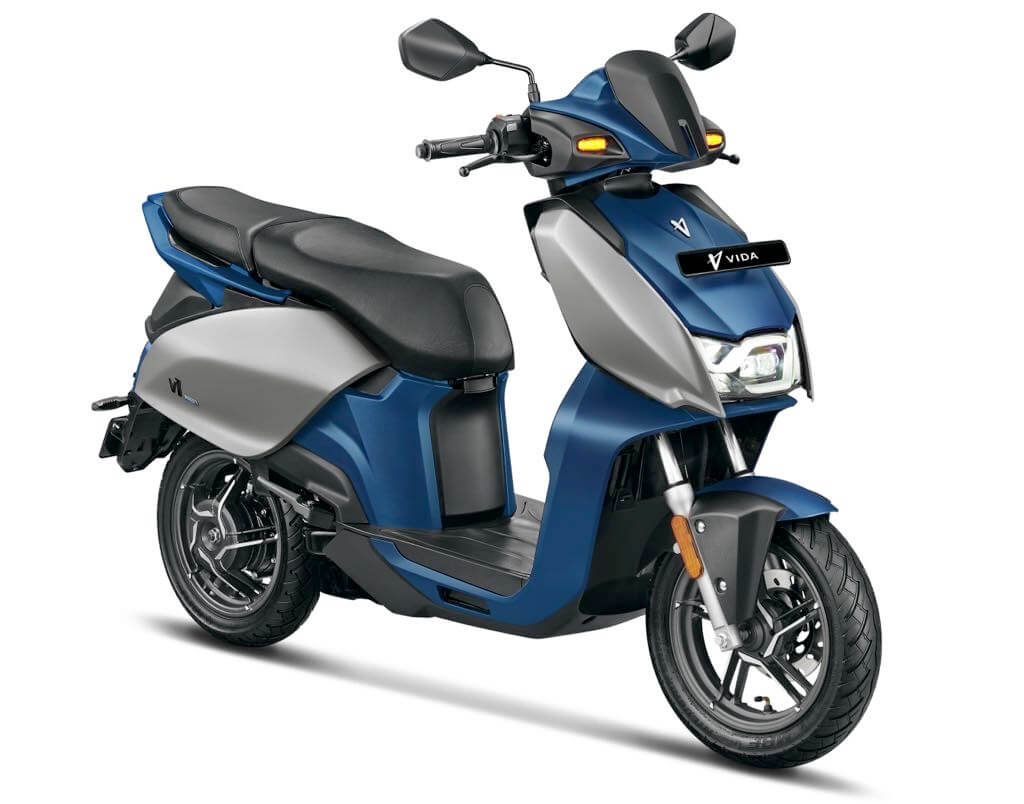
Hero MotoCorp delivered 15,947 units in October, up +24.4% MoM.
Its Vida electric scooter line continues to gain recognition, especially in Tier-2 markets. Hero’s push to localize EV components and scale battery partnerships is expected to translate into steadier performance in the coming months.
The company’s strategy appears to be shifting toward premium electric offerings — signaling intent to build long-term competitiveness in the EV space.
#6 Ampere/Greaves Electric Mobility
Ampere posted 7,635 units, its best month of 2025, soaring +78.4% MoM from September.
Strong retail traction in mid-market and value EV categories, especially in Southern India, has boosted its numbers.
Greaves’ focus on improving range and reliability through new models like the Ampere Nexus is beginning to pay off.
#7 BGAUSS Auto
BGAUSS Auto saw stable progress with 2,973 units, reflecting +29% MoM growth.
The brand’s appeal lies in its city-centric, design-forward scooters, which continue to attract urban commuters. BGAUSS’s customer-first service and durability focus are helping it retain steady momentum despite limited scale.
#8 Pure Energy
Pure EV recorded a marginal decline of -3.2%, with 1,706 units sold.
While slightly lower than September, Pure’s position remains stable. Its continuous R&D focus and competitive pricing will be crucial to weathering the upcoming competitive wave from larger OEMs.
#9 River Mobility
River Mobility experienced a mild -6.1% MoM drop with 1,601 units, though the company continues building traction in urban markets.
Its focus on premium, utility-oriented scooters resonates with city professionals, but capacity constraints likely limited deliveries in October.
#10 Revolt Intellicorp
Revolt made a striking comeback with 955 units, marking a +92% MoM surge.
Its improved product availability and the reintroduction of the RV400 series under new retail partners contributed to this revival. If Revolt sustains this trend, it could climb back into mid-tier rankings by early 2026.
Final Thoughts
October 2025 marked one of the strongest months ever for India’s EV two-wheeler industry. Bajaj, TVS, and Ather dominated the podium, while Ola regained ground and Ampere surged impressively.
The 58% MoM rise in Bajaj’s sales and over 50% growth for Ather underscore how festive sentiment and production readiness drive market spikes.
As the industry enters the final quarter of FY2025–26, attention will shift toward how these brands sustain momentum beyond the seasonal bump — particularly as new launches and policy updates unfold.
Disclaimer: Sales figures are based on Vahan Dashboard data (as of Nov 2, 2025), excluding Telangana. Actual retail numbers may vary due to reporting timelines and data synchronization delays.