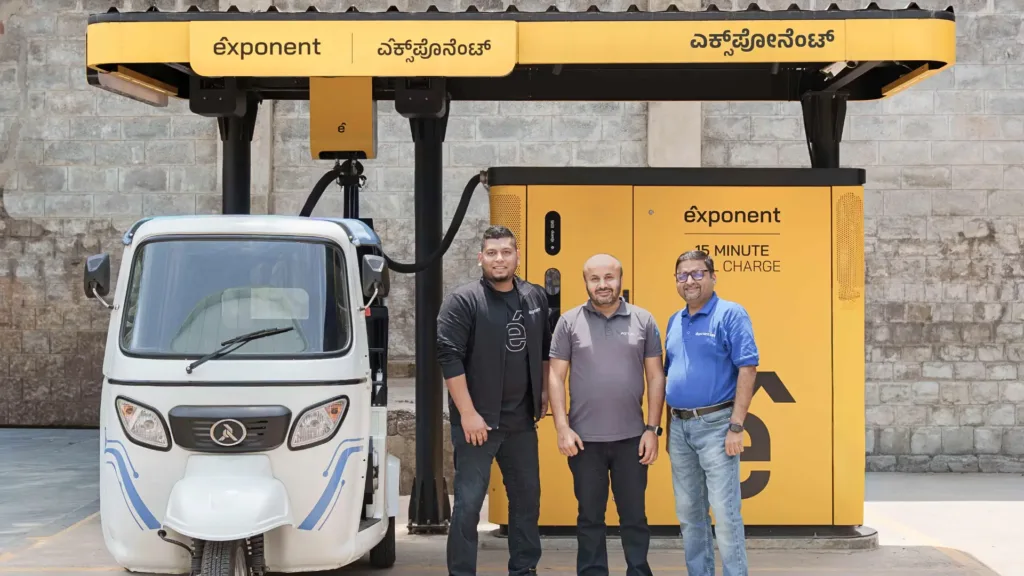

Starting a transport business or expanding your delivery network?
Buying your first commercial vehicle is a smart move. But it also comes with its fair share of planning, paperwork, and decision-making.
This guide walks you through what you should know—from vehicle selection to insurance—so that nothing feels overwhelming.
Choosing the Right Type of Commercial Vehicle
Before anything else, you need to be clear about the kind of work your vehicle will handle. Different operations need different types of commercial vehicles.
Here’s a quick comparison:
| Purpose of Use | Ideal Vehicle Type | Usage Type |
| Goods Transport | Pickup truck or mini-truck | Inter-city, urban deliveries |
| Heavy Material Hauling | Large truck | Long-distance logistics |
| Staff Transport | Tempo traveller or minivan | Employee or tourist movement |
| Delivery in Narrow Lanes | Three-wheeler cargo vehicle | Intra-city small parcel distribution |
| Shop/market Suppliers | Auto-rickshaw cargo vehicle | Small payloads, narrow lanes |
Pick a vehicle based on road conditions, payload, and fuel efficiency. Think about maintenance ease, too.
Know the Mandatory Paperwork for Commercial Vehicles
Once you’ve decided on the vehicle type, you’ll need to sort out the legal side of things. Running a commercial vehicle in India involves a few critical documents.
Here’s what you must have:
- RC Book: Get the vehicle registered with the RTO as a commercial unit.
- Fitness Certificate: Issued by RTO after verifying vehicle condition.
- Permit: Needed for inter-state or intra-state transport, based on use.
- Pollution Under Control (PUC): Mandatory for all commercial vehicles.
- Commercial Vehicle Insurance: Valid insurance is non-negotiable before hitting the road.
Why Insurance for Commercial Vehicles is Non-Negotiable?
You might think vehicle registration is the final step, but without insurance, your vehicle can’t operate commercially. Commercial vehicle insurance gives you legal backing and helps with unexpected scenarios like:
- Accidents on the road
- Third-party liabilities
- Weather-related vehicle impact
- Fire-related incidents
- Towing or emergency roadside needs
In India, you must have at least third-party insurance for your commercial vehicle. However many businesses opt for wider protection based on the nature of use.
For example, truck insurance is often tailored for vehicles that travel long distances with heavy cargo, offering route-specific and load-related coverage.
What to Look for in a Commercial Vehicle Insurance Plan
There are a few things to check before choosing an insurance plan for your vehicle. The right plan can save you both time and cost in the long run.
Pay attention to:
- Premium and IDV (Insured Declared Value): Ensure the declared value matches the market price of your vehicle.
- Type of Cover: Choose between basic third-party or add-on benefits like engine protection, towing, or driver cover.
- Network Garages: Check if the insurer has service tie-ups near your operation routes.
- Claim Process: A simple claim process reduces downtime and paperwork.
- Inclusions and Exclusions: Be clear about what’s included and what’s not.
Decide Between New and Used Vehicles
You can start with either a new vehicle or a well-maintained second-hand option. Each has its pros based on budget, need, and operational urgency.
Here’s how they compare:
| Feature | New Vehicle | Used Vehicle |
| Cost | Higher upfront investment | Budget-friendly initial cost |
| Warranty | Manufacturer-backed warranty | Depends on seller |
| Condition | Unused, good build condition | May need inspection and touch-ups |
| Insurance Cost | Usually higher | Lower premium on reduced IDV |
| Registration Hassle | Straightforward process | May need ownership transfer work |
If you go the used route, get a mechanic to inspect the vehicle. Also, update the insurance to your name immediately after purchase.
Check for Finance Options Before You Buy
Buying a commercial vehicle is a capital-heavy move. Many buyers prefer vehicle finance or leasing models that spread costs.
Look at:
- Bank loans with fixed or reduced interest rates
- NBFCs specialising in commercial vehicle loans
- Down payment options starting from 10–15%
- Tenure flexibility ranges from 3 to 5 years
- Prepayment charges or penalties
Compare EMIs from at least 2–3 lenders. Some lenders also bundle commercial vehicle insurance for convenience.
Train and Vet Your Driver Properly
Your vehicle is only as reliable as the person driving it. If you’re hiring a driver for the first time, pay close attention to their skill and documentation.
Checklist for onboarding a driver:
- Valid commercial driving licence
- Past driving record or reference check
- Basic understanding of road safety signs
- Awareness of vehicle maintenance basics
- Emergency response skills
Also, many commercial vehicle insurance policies allow driver-specific add-ons. Check if this can be added to your policy.
Don’t Ignore Route Planning and GPS Tools
Today’s commercial vehicles run smarter with the help of route optimisation tools. Whether you’re managing local deliveries or cross-state shipments, technology helps you stay on track.
Benefits of using GPS-based tools:
- Route suggestions that cut down fuel usage
- Alerts for traffic congestion or diversions
- Real-time vehicle tracking for safety
- Helps estimate delivery time precisely
- Aids in driver accountability and route discipline
Most tools come with mobile apps that sync across teams, making fleet coordination simpler.
Buying your first commercial vehicle sets the tone for your logistics success. Make sure you evaluate your purpose, check all documents, pick the right insurance, and keep maintenance in check.
The right decisions today can help you avoid trouble and keep your business running smoothly.