
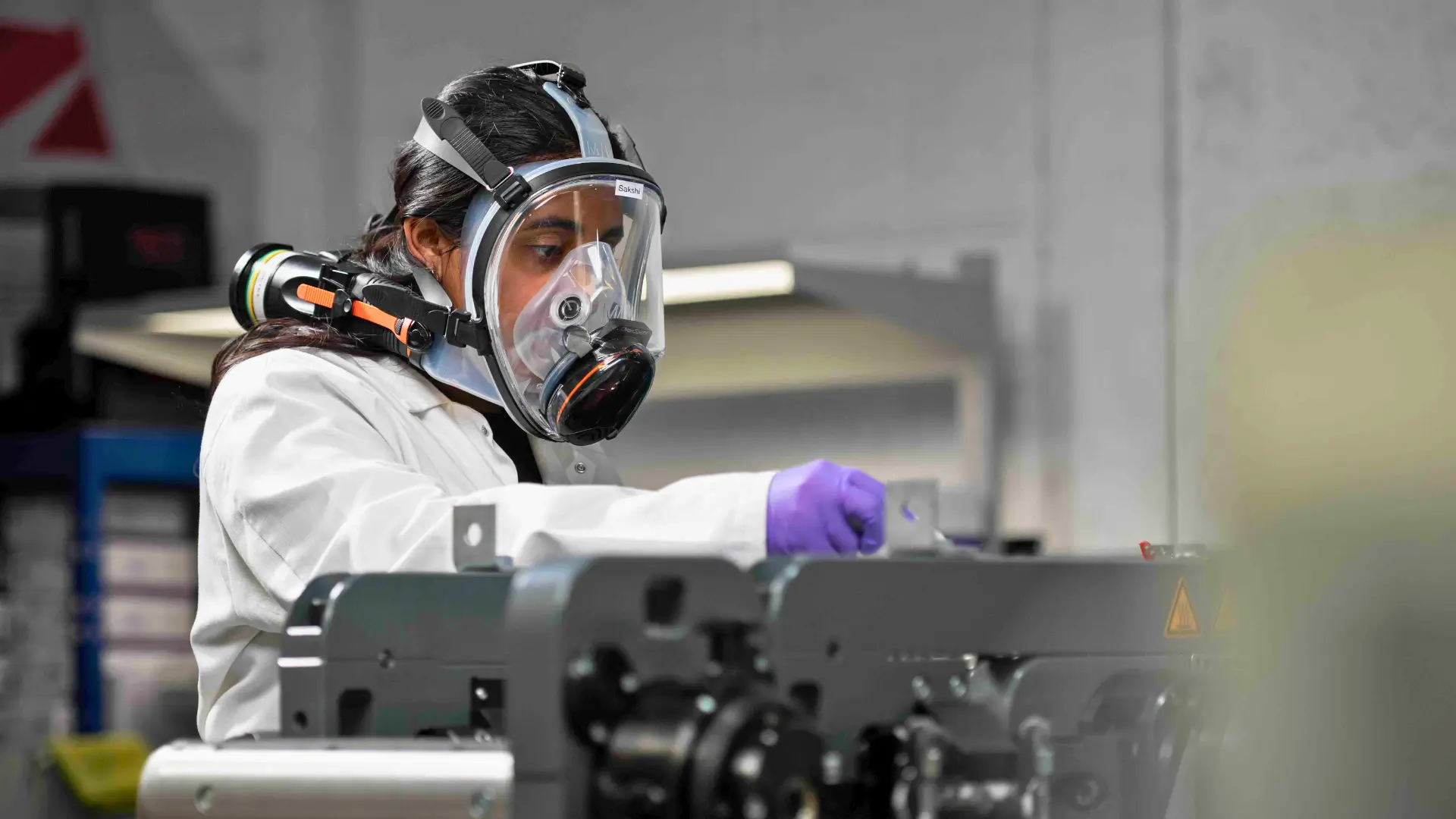
A new UK-developed dry coating process may reshape how lithium-ion batteries are made, offering a path toward more sustainable and regulation-ready electric mobility.
Revolutionizing Battery Manufacturing
UK-based battery tech startup Anaphite has announced the results of an independent assessment confirming that its dry coating technology for lithium-ion electrodes can significantly cut carbon emissions in battery production.
The study, conducted by Minviro, a life cycle assessment (LCA) specialist, found that Anaphite’s process reduces emissions by 3.57 kg CO₂ per kWh of battery capacity compared to conventional wet coating — a method still used for over 99% of batteries produced globally.
If adopted industry-wide, the technology could help save 7 million tonnes of CO₂ annually — equivalent to the carbon captured by 320 million trees.
Why Dry Coating Matters
Battery electrodes are typically made using a wet coating process that requires enormous ovens to dry solvent-based slurries — consuming vast amounts of energy and releasing significant emissions.
Anaphite’s dry coating process eliminates this energy-intensive drying stage. Instead, it uses a single engineered powder material that integrates all the necessary components of an electrode, optimized for high-speed manufacturing lines.
The result is a cleaner, more cost-efficient method of producing electrodes, one that can help battery and EV manufacturers cut carbon footprints while preparing for stricter regulations.
A Step Toward EU Battery Passport Compliance
From 2027, the EU’s Battery Passport regulations will require every EV and industrial battery over 2 kWh to disclose its total carbon footprint through an ISO-compliant life cycle assessment.
Using Anaphite’s dry coating method could help manufacturers stay ahead of these requirements.
For example, a 75 kWh EV battery pack made with this process could save around 268 kg of CO₂ compared to traditional manufacturing.
Although specific emission thresholds have not yet been set, such reductions could soon become essential for market access in Europe — and potentially a competitive edge for forward-thinking OEMs.
Expert Insights and Validation
The Minviro assessment adhered to ISO 14067 standards and was critically reviewed by independent experts in life cycle analysis and battery production.
According to Lydia Bridges, Senior Consultant at Minviro, the project demonstrates how transparent environmental assessments can translate innovation into measurable impact:
“Our independent analysis identified a clear reduction in carbon footprint for Anaphite’s dry coating process compared with conventional wet coating. Studies like this provide essential environmental data for cell manufacturers as they prepare for EU Battery Regulation compliance.”
Backed by UK Innovation Funding
The study was part of a Feasibility Study project supported by the UK Government’s Automotive Transformation Fund (ATF), facilitated by the Advanced Propulsion Centre UK (APC).
These government-backed initiatives aim to support next-generation technologies that could make the UK a leader in sustainable battery manufacturing.
Looking Ahead
As global battery demand is expected to exceed 1.9 TWh by 2025 and nearly double by 2030, innovations like Anaphite’s could play a crucial role in decarbonizing the e-mobility supply chain.
Dry coating isn’t just about reducing emissions, it represents a broader shift toward cleaner, faster, and more efficient manufacturing methods that could define the next decade of EV production.
Sources:
-
Minviro Life Cycle Assessment for Anaphite (2025)
-
Advanced Propulsion Centre UK (APC)
-
McKinsey & Company: Global Battery Demand Forecast (2025–2030)
Key Takeaway
Anaphite’s dry coating technology could mark a major turning point in sustainable battery manufacturing, offering manufacturers a practical route to lower emissions, meet EU regulatory goals, and make the electric future cleaner from the ground up.